
Algonquin College
In my current role as a Technical Support Officer at Algonquin College, I played a central role in delivering a campus-wide print-solution refresh. I contributed to the RFP process, defining requirements, evaluating bids, and testing shortlisted devices for performance, security, and accessibility. Once the new vendor was selected, I collaborated closely with their engineers, our Facilities team, and college system administrators to blueprint a phased rollout that would minimize disruption to teaching and learning. Over a year of planning and another six months of rigorous pilot testing and execution, we decommissioned more than 200 legacy devices and installed an equal number of next-generation printers. By pre-configuring drivers, integrating single sign-on, and ease of access through papercut systems for both students and staff, we ensured effortless adoption on Day 1. Thanks to aggressive milestones and exceeding several of them we built in extra buffer to support satellite campuses, ultimately completing the project ahead of schedule with near-zero downtime for end users.
University of Guelph
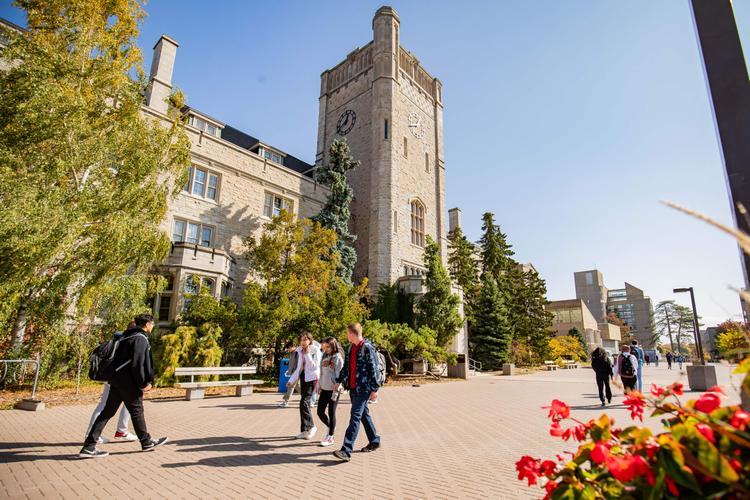
During my time at the University of Guelph, I played a key role in several high-impact IT projects that supported both administrative and research operations. One of the primary initiatives I led was the migration from Windows 7 to Windows 10, which involved upgrading hardware, deploying standardized software packages, and configuring department-specific applications, particularly in finance and research labs. I personally transitioned over 400 staff members to the new platform, carefully scheduling installations to minimize downtime and customizing each machine to the user’s specific workflows and preferences using centralized deployment tools. Additionally, I was instrumental in the acquisition and implementation of high-value lab equipment, including mass spectrometers and sequence analysis machines. I worked closely with vendors such as Fisher Scientific and Siemens to ensure these multi-million-dollar systems were integrated smoothly into lab environments and aligned with researchers’ needs. To support data integrity and continuity, I also implemented robust data recovery and backup solutions for critical lab documentation and reporting systems, further enhancing operational resilience.
Algonquin College Continued
In my previous role as a Web and Systems Technician, I contributed to two major institutional projects that enhanced student services and modernized campus systems. One of the most significant initiatives was the OneCard project, which aimed to unify the Algonquin College student card into a single, multifunctional credential. This card provided students with seamless access to on-campus services including printing, meal plans, bookstore purchases, and more. While also functioning as an OC Transpo fare card, offering unlimited transit access each semester. This multi-year collaboration involved key external partners such as OC Transpo, Scheidt & Bachmann, and several post-secondary institutions in Ottawa, including UOttawa, Carleton, and St. Paul’s University. Through this project, I gained hands-on experience in project management, RESTful API integrations, card production and encoding, user acceptance testing (UAT), and phased deployment. The second project involved upgrading the college’s student financial system, AC Cash, by transitioning from a legacy ITC Matrix platform to a modernized solution called Netzcore. This overhaul provided me with valuable experience in database management, software configuration, end-to-end testing, and establishing new process documentation and change control protocols, all contributing to a smoother, more efficient financial system for students and staff.

City of London
At the City of London, I was a key contributor to a large-scale Windows 7 to Windows 10 migration project, supporting over 2,000 users across various departments. This initiative involved extensive software development and deployment through Microsoft SCCM, as well as hardware upgrades to improve performance and compatibility, including RAM and SSD installations across a diverse range of devices such as desktops, laptops, tablets, and point-of-sale systems, and new devices. I gained hands on experience with a wide array of software platforms, tailoring each system to meet the operational needs of city staff. This included configuring financial applications, asset monitoring tools, city planning software, computer-aided design (CAD) tools, and specialized city service applications. I also ensured seamless integration of printers and peripheral devices, supporting end users throughout the transition with minimal disruption to daily operations. This project significantly broadened my technical expertise in enterprise IT environments and deepened my understanding of municipal technology infrastructure.